What if self-paced courses didn’t have to feel solitary? We’re exploring how AI study assistants can act as responsive learning partners, prompting dialogue, reflection, and practice that bring learning to life beyond static content.


at the University of London
What if self-paced courses didn’t have to feel solitary? We’re exploring how AI study assistants can act as responsive learning partners, prompting dialogue, reflection, and practice that bring learning to life beyond static content.

How do you turn traditional degree modules into flexible, self-paced microcredentials? This post explores the design choices behind making lifelong learning work in practice.

Today we are launching our first portfolio of microcredentials, opening new pathways for professionals to engage with postgraduate study.

How do you design lifelong learning at scale? This post explores how stackable credit, flexible student journeys, digital infrastructure and a federal model combine to turn microcredentials from policy aspiration into institutional practice.

With lifelong learning back on the policy agenda, we are introducing stackable microcredentials designed for flexible access, low-friction entry, supportive assessment and credit accumulation across working lives.
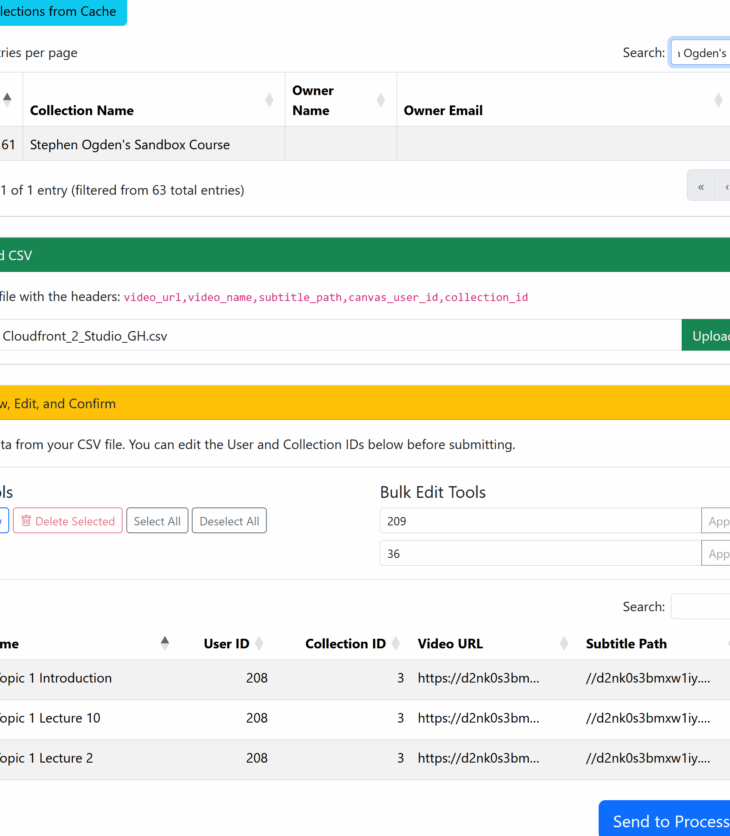
Faced with a laborious video migration task, Stephen Ogden explores how the “correct application of laziness”, through automation, can save time, but only if paired with careful planning.

How our Student Life team used GenAI to analyse student feedback: By shifting from prompt engineering to context engineering they turned raw feedback into clear, actionable insights.
A behind-the-scenes look at how we used Coursensu for AI-supported course design and a portfolio-based assessment model that makes student use of AI transparent and constructive.
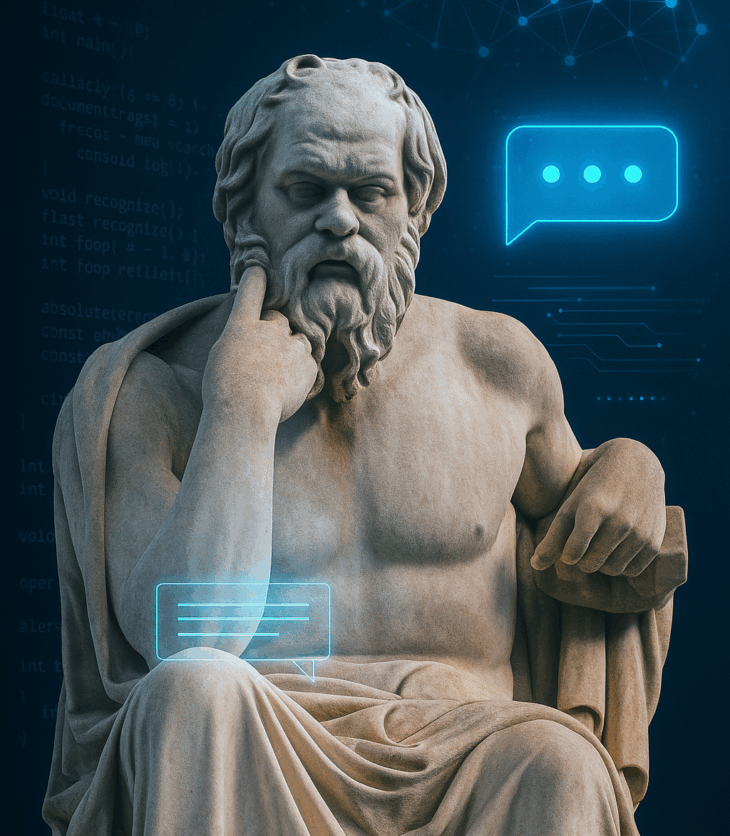
We recently explored how AI-powered Socratic dialogues can offer a new, scalable approach to fostering personalised reflection and deeper learner engagement in online education.

A behind-the-scenes look at how colleagues are using the Canvas API and AI to solve problems, create content, and share practical innovations in digital education.